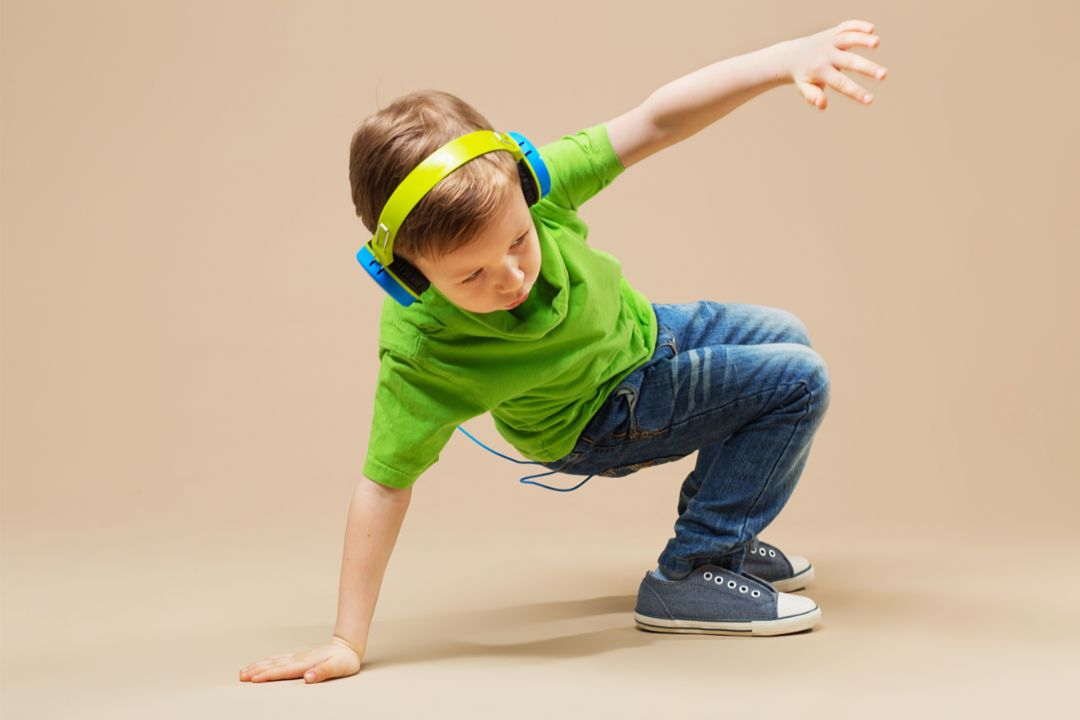
Have you ever turned on your favorite song and started moving simply because it felt good?
Dancing for yourself is different from performing for an audience. There is no pressure to impress anyone, remember choreography, or execute every step perfectly. It's simply you, the music, and the freedom to move.
Those moments can teach surprisingly meaningful lessons about confidence, creativity, self-acceptance, and being present.
Whether you enjoy freestyle movement, Latin dance, ballroom, or another form of movement, dancing can become a personal way to explore who you are.
Here are eight life lessons you may discover when you dance for yourself.
Dancing doesn't always have to happen in a formal class or Dance Studio.
Sometimes the most meaningful moments happen at home when you stop worrying about technique and simply respond to the music.
Formal Dance Classes and dance lessons can help students develop coordination, musicality, technique, and confidence. Dancing alone gives you something different: complete freedom to experiment.
Both experiences can have a place in your development.
You might spend one day practicing structured choreography with a dance instructor and another moving freely in your living room.
Together, those experiences can make your relationship with dance more personal and enjoyable.
One of the first lessons dancing alone can teach is self-acceptance.
When nobody is watching, you don't have to compare yourself with other dancers.
You don't have to worry about whether every turn looks polished or whether your arm placement is perfect.
You can simply move.
That freedom shifts your attention away from appearance and toward experience.
Instead of asking, “Do I look good?” you can begin asking, “How does this movement feel?”
This mindset can carry into formal training too.
Even when you're learning technical choreography, accepting where you are today makes it easier to continue improving tomorrow.
Your dance journey doesn't need to look like anyone else's.
You don't need an elaborate setup to enjoy dancing.
Sometimes all you need is a song you love and enough room to move.
Turn on the music and let yourself respond naturally.
You might sway, jump, spin, step side to side, or make up something completely new.
There are no rules.
Structured classes can be rewarding, but spontaneous dancing reminds you that creativity doesn't always need a goal.
Sometimes enjoyment itself is enough.
Performing for other people can be exciting, but dancing doesn't require an audience.
Moving for yourself teaches you to enjoy an activity without waiting for applause, compliments, or approval.
That's an important distinction.
A student might enjoy ballroom dance with a partner while also appreciating time spent practicing independently.
Someone taking Private Lessons might work closely with an instructor but still dance at home simply because they enjoy the music.
Your motivation doesn't always have to come from other people.
Learning to enjoy your own company can make dancing feel less like something you perform and more like something that genuinely belongs to you.
Movement can become another form of communication.
A slow song may inspire gentle movement, while energetic music might make you want to jump, turn, or move more sharply.
There is no single correct response.
Different emotions can inspire different movement qualities:
This is one reason people connect with many different forms of dance.
A student exploring American Rhythm, for example, encounters energetic partner dances with distinctive rhythms and movement qualities.
American Smooth offers another ballroom approach, emphasizing flowing movement and partnership.
Other dancers may connect more strongly with contemporary movement, jazz, ballet, or social Latin dancing.
The important lesson is that movement can reflect how you feel without requiring you to explain everything in words.
Dancing alone gives you room to stop performing a version of yourself for other people.
There is no audience deciding whether a movement is cool, graceful, or technically impressive.
You can experiment.
You can be silly.
You can be dramatic.
You can move gently or with enormous energy.
That openness encourages authenticity.
Formal dance training teaches valuable technique, but technique doesn't have to erase personality. Strong dancers learn how to combine skill with individuality.
Good dance teachers can encourage students to understand technique while still developing their own expressive voice.
The more comfortable you become with your own movement, the easier it becomes to express yourself honestly.
Dance naturally draws your attention toward the present.
You hear the beat.
You anticipate the next phrase.
You notice where your feet are.
You respond to changes in the music.
For those few minutes, your attention is centered on what is happening right now.
You don't need complicated choreography to experience this.
A simple dance break at home can be enough.
Formal partner dancing can create a similar kind of focus. During ballroom dancing, for example, dancers pay attention to timing, connection, direction, and their partner's movement.
In Latin dance, rhythm and partner connection can demand the same present-moment awareness.
This ability to focus on what you're doing instead of worrying about everything else is one of the simplest pleasures movement can offer.
When you dance for yourself, you become the choreographer.
You decide what happens next.
Maybe you combine a turn you've learned in class with something completely spontaneous.
Maybe you change the rhythm.
Maybe you borrow ideas from different forms of dance and make them your own.
Creativity grows through experimentation.
Students taking dance lessons can use improvisation alongside formal instruction.
A dance instructor can teach technique and choreography, while independent practice gives students room to experiment with what they've learned.
That combination of guidance and personal exploration can make dancing much more rewarding.
Dance can easily become focused on perfection.
You might compare yourself with advanced dancers or wish you could learn choreography faster.
But progress doesn't require perfection.
Beginners are allowed to look like beginners.
Experienced dancers are allowed to make mistakes.
Everyone is allowed to have an off day.
Your value isn't determined by how high you can kick, how quickly you learn choreography, or how polished you look while performing.
Progress might mean:
A supportive Dance Studio should give students room to learn at their own pace.
Whether you're taking group classes, ballroom lessons, or individualized instruction, your development is personal.
You don't have to become someone else to become a stronger dancer.
Dancing for yourself is valuable, but structured instruction offers benefits that are difficult to recreate alone.
A qualified dance instructor can help identify technical habits you may not notice yourself.
Instruction can provide guidance with:
Dance Classes also give students opportunities to learn alongside others.
For dancers who prefer individual attention, Private Lessons can focus more closely on specific goals and technical challenges.
The two approaches don't have to compete.
Structured learning can improve your technique while dancing independently keeps your connection with movement personal.
Partner dancing can add an entirely different dimension to your experience.
Ballroom dancing teaches students to communicate through timing, connection, posture, and coordinated movement.
Within American ballroom traditions, students may encounter American Smooth and American Rhythm.
American Smooth can include dances such as Waltz, Tango, Foxtrot, and Viennese Waltz.
American Rhythm may introduce dances such as Cha-Cha, Rumba, Swing, Bolero, and Mambo.
Students interested in Latin dance may also explore salsa, bachata, merengue, or other social forms depending on the program.
These experiences introduce another lesson: sometimes self-expression happens through connection with another person.
Dancing for yourself doesn't mean you always have to dance alone.
Social dancing gives people opportunities to connect while still expressing their individuality.
Social Latin dancing, ballroom events, group classes, and community performances can help dancers become more comfortable responding to different partners and music.
The skills you build independently can support these experiences.
Confidence developed at home can make it easier to walk into a class.
Technique learned in class can make dancing independently even more enjoyable.
Both can be part of the same journey.
Dance also becomes part of some of life's biggest celebrations.
Wedding dance preparation is a common example.
Couples may take ballroom lessons to become more comfortable moving together before their first dance.
A wedding dance doesn't need complicated choreography to feel meaningful. The goal may simply be to feel relaxed, connected, and confident while sharing the moment.
An instructor can adapt choreography to the couple's experience level, music, and preferences.
This is another example of dance becoming meaningful because of the experience behind the movement rather than technical perfection.
You don't need special clothing to dance around your living room.
Comfortable clothes and enough space to move safely are usually all you need.
Formal classes may have different requirements.
Some forms of partner dancing use specific Dance shoes, while ballet and other programs may have their own footwear or dress guidelines.
Before attending a class, ask what the instructor recommends.
The goal is to wear something that allows you to move comfortably and safely.
Dancing for yourself can teach lessons that reach far beyond movement.
You learn that happiness can be simple.
You learn that creativity doesn't require approval.
You learn to accept mistakes, stay present, express emotion, and appreciate your own progress.
Formal instruction has an important place too. A supportive instructor can help develop technique, while independent dancing reminds you why you wanted to move in the first place.
Whether you're practicing ballroom, exploring American Rhythm, taking a class, or dancing alone to your favorite song, the experience can become uniquely yours.
Your dance journey doesn't have to be perfect to be meaningful.
Sometimes all you need to do is turn on the music and move.

