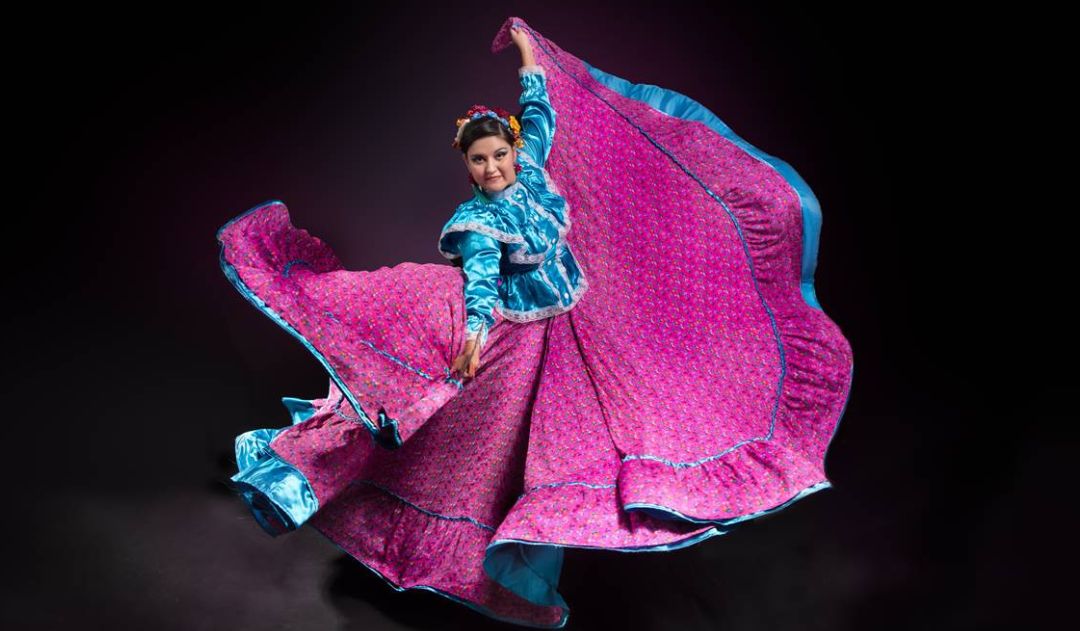
Ballet Folklórico is more than movement. It combines storytelling, music, regional identity, colorful costumes, and Mexican culture into a form of performance that has been passed down through generations.
In Orange County, California, families, children, teens, and adults are discovering folkloric dance. They use it to explore Mexican heritage and to develop rhythm, coordination, and performance skills.
For beginners, the appeal is simple: you do not need years of dance experience to start.
Students can begin with basic posture, simple dance steps, rhythm exercises, and introductory footwork before progressing into regional styles, longer choreography, and performance.
This guide highlights eight beginner-friendly ways to experience folklórico while also helping you understand the cultural traditions, music, and history behind the movement.
If you've never danced before, folklórico can be a welcoming place to begin.
This dance style combines rhythmic footwork, posture, expression, music, costume, and regional movement.
Rather than simply memorizing steps, students learn that each dance may represent a particular state, community, celebration, or historical tradition in Mexico.
Beginners often start with:
One of the most recognizable elements is zapateado, where dancers create rhythm through precise footwork.
Teachers may first introduce a simple zapateado sequence before asking students to combine it with music, travel steps, or choreography.
This gradual approach helps beginners build confidence while learning how rhythm connects to movement.
Westminster Arts Academy offers a beginner-focused ballet folklorico dance class designed to introduce students to both movement and cultural context.
Classes may include basic footwork, posture, rhythm, coordination, and beginner choreography.
Experienced dance instructors can also explain why regional dances look and sound different from one another.
A style from Jalisco, for example, may feature strong rhythmic footwork and expressive skirt movement, while dances from Veracruz often have a different musical and visual character.
For new students, this kind of structured instruction makes it easier to learn technique while also understanding the cultural heritage behind the dances.
At Latin Roots Academy, students can experience folklórico through music, storytelling, and movement.
Beginner classes often introduce regional traditions gradually.
Students might explore dances associated with:
Each area has its own movement qualities, costumes, rhythms, and musical traditions.
For example, Nuevo León is strongly associated with northern Mexican traditions, while Veracruz is known for musical styles such as son jarocho.
Learning these differences helps students understand that folklórico is not one single style.
It is a collection of Mexican regional traditional dances shaped by geography, history, and community identity.
Workshops can be a fun way for beginners to experience folklórico without committing immediately to a long-term program.
The Costa Mesa Community Center may offer folklorico dance workshops or community activities. Students can practice rhythm, footwork, and musicality there.
Live accompaniment can make these sessions especially engaging.
Students may hear guitar, violin, trumpet, or other instruments associated with regional Mexican music.
A mariachi band, for example, may accompany dances connected to Jalisco and other well-known traditions.
Learning with live music helps students hear accents, tempo changes, and rhythmic cues more clearly.
That makes the class feel less like memorizing steps and more like responding directly to music.
Family-centered folklórico programs can make dance a shared experience.
Parents and children may learn together, practice similar steps, and participate in community performances.
This creates a stronger connection between dance and cultural identity.
For many Mexican American families in the United States, folklórico becomes a way to pass down language, music, history, and tradition.
These classes can also introduce students to folkloric traditions that might otherwise only be experienced during holidays or cultural events.
A family class may include:
That combination of movement and cultural context helps students understand why these dances remain meaningful.
Irvine Valley College programs may appeal to students who enjoy a more structured learning environment.
Classes can combine technique with history and cultural study.
Students may explore how folklórico developed during major periods of Mexican history. This includes changes around the Mexican Revolution and later efforts to promote national cultural identity.
The development of staged folklórico was also influenced by artists and cultural leaders who helped bring regional traditions to larger audiences.
One of the most important figures was Amalia Hernández, who founded Ballet Folklórico de México in Mexico City.
Her work helped popularize highly theatrical presentations of Mexican folklore and regional dance for national and international audiences.
Learning this history helps students understand how community traditions became major stage productions.
At the Huntington Beach Cultural Center, classes may focus on posture, rhythm, footwork, character, and regional expression.
Beginners often practice skirt movement alongside footwork.
Skirt work is especially important in dances where the costume becomes part of the visual storytelling.
The dancer may use the skirt to:
Students also learn that the same skirt technique does not apply to every region.
Different costumes require different handling, which is one reason regional study matters.
This helps beginners understand how clothing, music, and choreography work together rather than treating costume as decoration alone.
Programs with a relaxed and creative atmosphere can be especially useful for new dancers.
A beginner class may combine foundational steps with expressive movement and age-appropriate choreography.
Students can work on:
This approach gives students enough structure to improve while still making the learning process enjoyable.
Folklore dance becomes especially engaging when students understand both the movement and the story behind it.
Folkloric dance refers broadly to dances connected to the traditions, customs, and cultural practices of a particular community or region.
In Mexico, regional folklórico reflects the country’s enormous cultural diversity.
Music, clothing, footwork, and choreography may vary significantly depending on the region.
Mexican folkloric dance may show influences from:
These influences combined differently across Mexico, creating distinctive regional styles.
This is why folklórico is best understood as a collection of regional traditions rather than one uniform dance.
One of the most widely recognized Mexican dances is the Jarabe Tapatío.
Folklórico is often linked to Jalisco. It became known worldwide as a symbol of Mexican cultural identity.
Students may encounter Jarabe Tapatío when learning about the history of staged Mexican folklórico.
Folklórico's choreography, music, costumes, and theatrical presentation show how folk traditions connect to national identity.
For beginners, the dance is also a useful example of how footwork, posture, partner interaction, and musical phrasing work together.
Nuevo León offers a very different look and sound from regions such as Jalisco or Veracruz.
Northern Mexican dances may reflect influences from European social dance as well as regional musical traditions.
Students studying Nuevo León may encounter energetic partner work, quick steps, and music influenced by norteño and related regional styles.
Some pieces may also reflect the influence of Tejano music, depending on the repertoire and cultural setting.
Learning these distinctions helps students recognize how geography influences both music and movement.
Veracruz has a rich musical and dance tradition.
One important style associated with the region is son jarocho, which blends Indigenous, Spanish, and African influences.
Music may feature instruments such as harp, jarana, and requinto.
The dancing often includes rhythmic footwork that interacts directly with the music.
Students may also learn about Veracruz Huasteco. This is another regional tradition with its own music, movement, and cultural identity.
These examples show how dance and music traditions developed differently even within the same state.
Mexican folklórico reflects a complex cultural history.
While Indigenous and Spanish influences are frequently discussed, African influences are also important in several regional traditions.
Communities along Mexico’s coastal areas contributed rhythms, movement, and musical practices shaped by African heritage.
These influences can be heard and seen in some traditions from Veracruz, Guerrero, Oaxaca, and other regions.
For students, learning this broader history creates a more complete understanding of Mexican culture and how multiple communities shaped regional performance traditions.
Beginners often find folklórico rewarding because progress is easy to see.
Students start with basic rhythm and footwork before combining those skills into full choreography.
The structure helps dancers develop:
A beginner does not need perfect technique.
The goal is to develop strong foundations and improve gradually.
Teachers can adapt choreography so students learn at a comfortable pace.
Zapateado is one of the most recognizable technical elements in many folklórico traditions.
Dancers create rhythmic sounds through heel and foot patterns.
A teacher may begin with slow patterns and gradually add speed, direction changes, and musical phrasing.
At the same time, dancers who use skirts may practice faldeo or other forms of skirt movement.
Combining zapateado with skirt work helps students coordinate the upper and lower body.
It also makes choreography more expressive.
These techniques are not identical across every region, so dancers gradually learn how performance style changes depending on the repertoire.
For many families, folklórico creates a connection between generations.
Grandparents may recognize songs or traditions from earlier life.
Parents may rediscover elements of their cultural background.
Children experience those traditions through movement.
This helps turn dance into a living part of Mexican heritage rather than something only studied in a book.
It can also create a stronger sense of community among families who share similar experiences.
Students outside the culture can join respectfully. This helps them learn about Mexican culture, history, and regional diversity.
Costume is an important part of performance.
Different regions may use distinct colors, fabrics, accessories, and silhouettes.
In Jalisco, dancers are often recognized for wide, colorful skirts that create dramatic shapes.
Veracruz costumes may feature lighter fabrics and white clothing.
Northern traditions may use very different clothing inspired by regional history and social dress.
Beginners usually do not need a complete costume immediately.
Understanding why costumes differ helps students see the link between geography, history, and performance.
Music plays a central role in every dance.
Students learn to listen for rhythm, accents, tempo, and phrasing.
Depending on the region, the music may include:
Songs such as El Son de la Negra are strongly associated with Mexican performance traditions and may be introduced as students become familiar with regional repertoire.
Other dances may use sones, huapangos, jarabes, or different regional forms.
The more students understand the music, the easier it becomes to connect movement with rhythm.
Folklórico helps preserve cultural heritage because dance, music, costume, and storytelling are passed between generations.
Students are not simply learning choreography.
They are participating in Mexican Folklore.
That may include:
These elements make folklórico both an artistic practice and a cultural tradition.
Orange County hosts cultural events where folklórico groups may perform during celebrations such as Cinco de Mayo and Día de los Muertos.
Community performances give students a reason to practice toward a goal.
They also help dancers develop:
Performing can be especially motivating for beginners because it turns weekly practice into a complete experience.
Parents can play an important role in helping young dancers stay motivated.
You can support your child by:
Even small gestures show children that their effort matters.
A positive home environment can help students enjoy the process without feeling unnecessary pressure.
Progress looks different for every dancer.
Some students learn footwork quickly, while others need more time to develop rhythm and coordination.
That is normal.
Beginner-focused dance instructors should allow students to improve gradually.
Early milestones might include:
Over time, these small achievements build confidence.
If you're looking for a beginner-friendly program in Orange County, Westminster Arts Academy offers a welcoming place to explore Mexican folklórico.
The ballet folklorico dance class lets students develop rhythm, footwork, coordination, and performance skills. They also learn about the cultural traditions behind the movements.
Beginners can grow at their own pace in a supportive environment while building confidence and appreciation for Mexican heritage.
Whether you're a parent, student, or adult beginner, one class can be the first step toward discovering a meaningful dancing tradition filled with music, culture, and community.

